
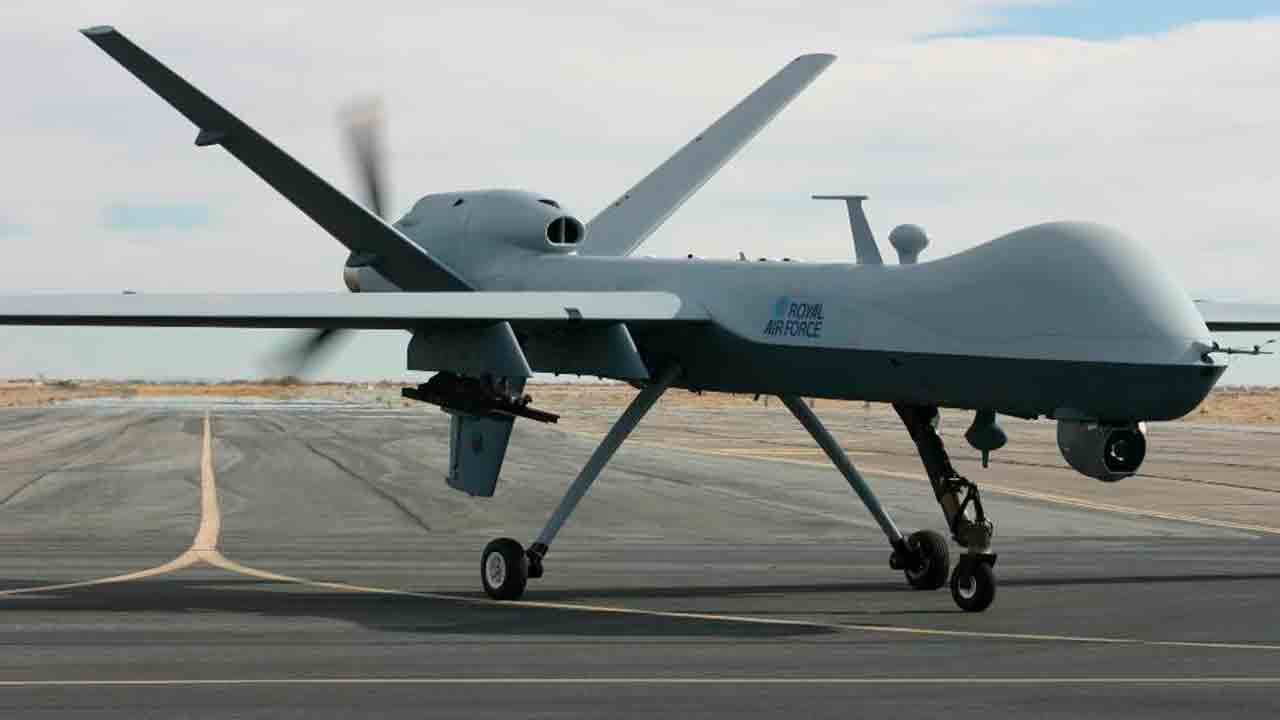
After nearly two decades of operations, the Royal Air Force (RAF) of the United Kingdom has announced the final flight of its MQ-9 Reaper drone, officially marking the end of 18 years of active service.
The Reaper was introduced into the British fleet in October 2007, with the initial mission of urgently supporting British forces in Afghanistan. Since then, it has logged more than 173,000 flight hours on combat missions, mainly in the Middle East, as part of Operation Shader — the UK’s campaign against the terrorist group ISIS in Iraq and Syria.
+ Iran unveils Shahed-149 “Gaza” combat drone with 4,000 km range
Operational legacy
Air Marshal Garv Smith, Chief of the Air Staff, highlighted the system’s historic importance:
“For the past 18 years, the Reaper remotely piloted aircraft system has been the backbone of the Royal Air Force’s operations in the Middle East. Its capabilities were critical in supporting British and coalition forces, significantly enhancing our ability to fly and fight. Having accumulated an impressive number of operational flying hours, I am extremely proud of all personnel involved in operating this system over the years.”
The Reaper played a crucial role in surveillance, reconnaissance, and precision strike missions, establishing itself as one of the key assets in Britain’s modern warfare against terrorism.
The future: MQ-9B Protector RG1
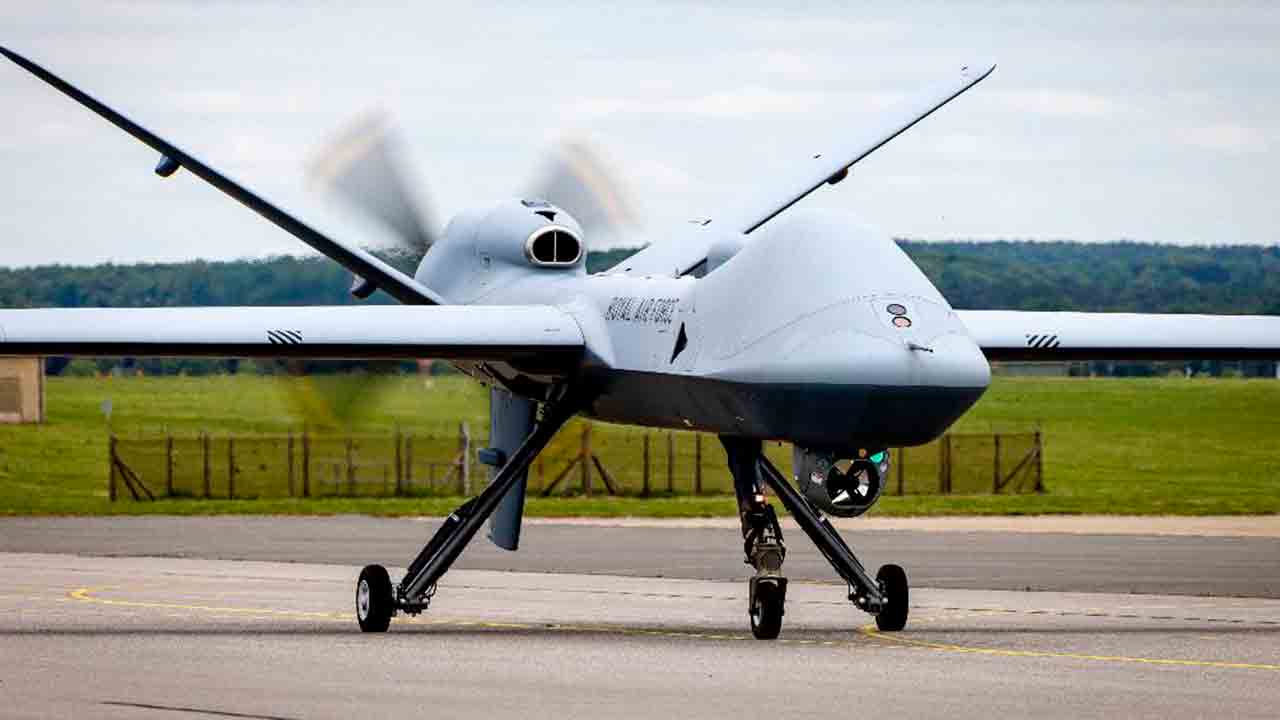
The British Ministry of Defence has already planned to replace the fleet of ten MQ-9A Reapers with sixteen MQ-9B Protector RG1 units — a more advanced version based on the American MQ-9B SkyGuardian.
The first Protector was delivered in October 2023 and is expected to complete its introduction phase by 2025. In February 2025, the drone underwent a crucial flight test phase, marking the beginning of its full operational integration.
Among the key upgrades are the integrated weapons system by BAE Systems — capable of operating Paveway IV guided bombs and Brimstone 2 missiles — as well as greater versatility for both military missions and civilian applications such as surveillance and emergency monitoring.
Source and images: RAF. This content was created with the help of AI and reviewed by the editorial team.
